Indian Removal Act - Indian Removal Act His2011 President Andrew Jackson : The indian removal act was controversial.
Indian Removal Act - Indian Removal Act His2011 President Andrew Jackson : The indian removal act was controversial.. The indian removal act stood at the intersection of numerous debates among european americans over the fate of american indians. An introductory lecture to the basics of andrew jackson's indian removal act. President jackson ignored the ruling for georgia v. The law authorized the president to negotiate with southern indian tribes for their removal to federal territory west of the mississippi river in exchange for their ancestral homelands. The indian removal act was passed on may 26th, 1830 by the house of representatives.
Indian removal act (1830), first major legislative departure from the u.s. Questions surrounding the controversy included: Many americans during this time favored its passage, but there was also significant opposition. An actto provide for an exchange of lands with the indians residing in any of the states or territories, and for their removal west of the river mississippi. The indian removal act was put in place by president jackson and later approved by congress.
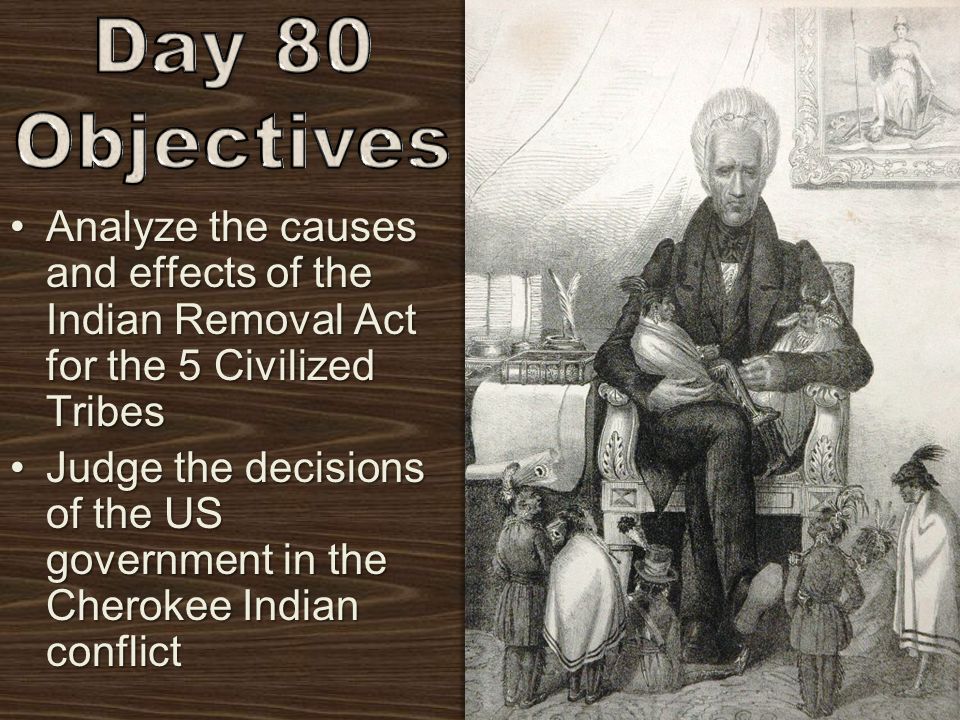
Lawmakers were deeply divided over the indian removal act.
The law authorized the president to negotiate with southern indian tribes for their removal to federal territory west of the mississippi river in exchange for their ancestral homelands. Subscribe to hiphughes to keep the universe aligned for free here. Indian removal act — l'indian removal act (littéralement acte de déplacement des indiens) est une loi des états unis datant du 26 mai 1830, proposée par andrew jackson. Students will learn about the reasons why the u.s. Early in the 19th century, while some chose to stay in mississippi under the terms of the removal act. The indian removal act was passed on may 26th, 1830 by the house of representatives. Congress passes the indian removal act in order to free land for settlement. Government promised to compensate the tribes for the property. Many christian missionaries protested against it, most notably. The 1830 indian removal act was the signed in law on may 28, 1830 by president andrew jackson after four months of tedious debate. Lawmakers were deeply divided over the indian removal act. On march 28, 1830, congress passed the indian removal act, beginning the forced relocation of thousands of native americans in what became known as the trail of tears. Facts about american indian removal.
Facts about american indian removal. The indian removal act was passed in 1930 but plans for this 'forced relocation' began in the early 1800s. Many christian missionaries protested against it, most notably. On the trail of tears. In 1813, andrew jackson and his wife, rachel, adopted 2.

The law authorized the president to negotiate with southern indian tribes for their removal to federal territory west of the mississippi river in exchange for their ancestral homelands.
The 1830 indian removal act was the signed in law on may 28, 1830 by president andrew jackson after four months of tedious debate. Indian removal act authorized the federal government to negotiate treaties with eastern tribes exchanging their lands for land in the west. On march 28, 1830, congress passed the indian removal act, beginning the forced relocation of thousands of native americans in what became known as the trail of tears. Government implemented this policy and. The long trek westward became known as the trail of tears. Indian removal act, in u.s. Congress passes the indian removal act in order to free land for settlement. Facts about american indian removal. Early in the 19th century, while some chose to stay in mississippi under the terms of the removal act. On the trail of tears. Policy of officially respecting the legal and political rights of the american indians. An introductory lecture to the basics of andrew jackson's indian removal act. After demanding both political and military action on removing native american indians from the southern states of america in 1829, president andrew jackson signed this.
Indian removal act on may 28, 1830, andrew jackson signed the indian removal act declaring that the government had the power to relocate native americans in the southeast to the west of the. The indian removal act stood at the intersection of numerous debates among european americans over the fate of american indians. Many christian missionaries protested against it, most notably. Facts about american indian removal. The long trek westward became known as the trail of tears.
The indian removal act was passed on may 26th, 1830 by the house of representatives.
An introductory lecture to the basics of andrew jackson's indian removal act. The indian removal act was passed by congress on may 28, 1830, during the presidency of andrew jackson. History, law signed by president andrew jackson in 1830 providing for the general resettlement of native americans to lands w of the mississippi river. .of the indian removal act in 1830 were elements of stepped up pressure against the indian in opposition to the indians' expulsion, at the time of the congressional debate on the removal act. On march 28, 1830, congress passed the indian removal act, beginning the forced relocation of thousands of native americans in what became known as the trail of tears. The 1830 indian removal act led to the forced migration of approximately 60,000 native 1830 indian removal act for kids andrew jackson was the 7th american president who served in office. Indian removal act authorized the federal government to negotiate treaties with eastern tribes exchanging their lands for land in the west. Students will learn about the reasons why the u.s. Many americans during this time favored its passage, but there was also significant opposition. Congress passes the indian removal act in order to free land for settlement. Indian removal act (1830), first major legislative departure from the u.s. Government promised to compensate the tribes for the property. The indian removal act stood at the intersection of numerous debates among european americans over the fate of american indians.


Komentar
Posting Komentar